
Oral Surgery
Extractions
Although permanent teeth were meant to last a lifetime, there are a number of reasons why tooth extraction may be needed. A very common reason involves a tooth that is too badly damaged, from trauma or decay, to be repaired.
A crowded mouth. Sometimes dentists pull teeth to prepare the mouth for orthodontia. The goal of orthodontia is to properly align the teeth, which may not be possible if your teeth are too big for your mouth. Likewise, if a tooth cannot break through the gum (erupt) because there is not room in the mouth for it, your dentist may recommend pulling it.
If tooth decay or damage extends to the pulp -- the center of the tooth containing nerves and blood vessels -- bacteria in the mouth can enter the pulp, leading to infection. Often this can be corrected with root canal therapy (RCT), but if the infection is so severe that antibiotics or RCT do not cure it, extraction may be needed to prevent the spread of infection.
There are a number of signs, which can suggest it may be a difficult extraction and these are discussed below. However, sometimes there is just no telling until you make a start and even then unexpected complications can occasionally arise that make life harder. See the previous chapter on Risks and complications of extractions for more information.
I have had situations where it looks simple and I know that the instant that I grip the tooth, it is not going to want to leave you, and other times where extensively broken down teeth that spell t.r.o.u.b.l.e. come out simply in a matter of moments.
The vast majority of teeth are removed fairly simply by a general dentist. Sometimes, the actual pulling part of the procedure takes less time than the ‘going numb’ bit and the ‘getting you to stop bleeding bit’ afterwards.
Apicectomy
The aim of the treatment is to remove infection from the base of the root of the tooth. Access is gained through the gum rather than through the tooth like in conventional root treatment. A small window is made in the bone over lying the root. The root is then cleaned and filled to prevent any further infection.
About 3 – 4mm is removed from the root tip. This has two functions. The first is to remove the infected part and the second to facilitate the filling and healing of the root end.

Dental Implants
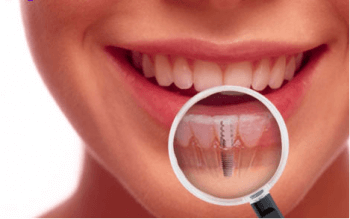
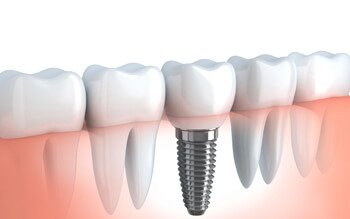
A dental implant is a titanium screw that can replace the root of a tooth when it fails. Just like a tooth root, it is placed into the jawbone. It is used to support one or more false teeth and the implant will look like a natural tooth. You can have any number of teeth replaced with implants - from one single tooth to a complete set. Implants are a safe, well-established, tried-and-tested treatment. Implants, just like natural teeth, will last for as long as you care for them.
If your implants are well looked after and the bone they are fitted to is strong and healthy, you can expect them to last for many years. However, just as with other surgical implants (such as a hip replacement) there is no lifetime guarantee. If you don't look after your implants, then they will develop a coating similar to that found on neglected natural teeth. Left untreated, this can lead to gum infection, bleeding, soreness and general discomfort.
Root Canel Treatment
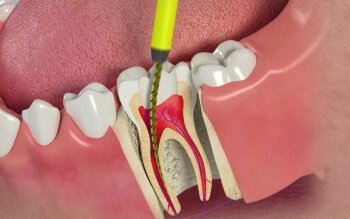
Root canal treatment (also called endodontics) is needed when the blood or nerve supply of the tooth (known as the pulp) is infected through decay or injury. You may not feel any pain in the early stages of the infection. In some cases, your tooth could darken in colour, which may mean that the nerve of the tooth has died (or is dying). This would need root canal treatment.
If the pulp becomes infected, the infection may spread through the root canal system of the tooth. This may eventually lead to an abscess (gumboil). An abscess is an inflamed area in which pus collects and can cause swelling of the tissues around the tooth. The symptoms of an abscess can range from a dull ache to severe pain and the tooth may be tender when you bite. If root canal treatment is not carried out, the infection will spread and the tooth may need to be taken out.
For further information, ask your Dentist
about an Oral Surgery or call 01902 763 200